Best Foot Cream for Cracked Heels Over 50: 5 Picks That Actually Work
 Margaret Holloway roundup
 At a Glance
Discover the best foot cream for cracked heels over 50. Honest reviews, expert tips & top picks to restore soft, healthy heels fast.
Products in This Article
This post contains affiliate links. If you purchase through my links, I may earn a small commission at no extra cost to you — it helps keep Flourish & Find running!
You know that moment when you slip off your sandals at a summer gathering and quietly hope nobody notices your heels? Friend, I’ve been there more times than I’d like to admit. Finding the best foot cream for cracked heels over 50 genuinely changed my daily routine — and I want to share what I’ve learned with you.
After 50, our feet just don’t get the same natural moisture they once did. Skin thins, oil glands slow down, and those once-minor heel cracks can start looking and feeling pretty serious. The good news? The right foot cream for mature skin with cracked heels can make a real, visible difference — sometimes in just a few days. I’ve tested quite a few options over the past couple of years, and today I’m sharing my honest favorites.
Why Foot Care Becomes Essential After 50
Here’s something I wish someone had told me earlier: foot care isn’t vanity. It’s health.
As we age, the fatty padding on the soles of our feet naturally thins out. Hormonal changes — especially around and after menopause — reduce our skin’s ability to retain moisture. Circulation can slow down too, which means our feet are often the last to receive the nutrients and hydration they need. The result? Dry, rough, thickened skin and those painful cracked heels that seem to appear out of nowhere.
Cracked heels aren’t just uncomfortable. When cracks get deep enough, they can bleed, become infected, or make walking genuinely painful. For women managing conditions like diabetes or circulation issues, this becomes even more important to stay on top of. A good moisturizing foot cream for mature skin isn’t a luxury — it’s part of taking care of yourself.
We also tend to spend more time in flat shoes, sandals, or going barefoot at home, all of which can worsen dryness. The good news is that a consistent routine with the right thick foot cream for deep cracks can turn things around quickly and keep them that way.
Top 5 Foot Creams for Cracked Heels Over 50
I’ve been using these products personally or have heard rave reviews from friends in our community. Here’s what I honestly think about each one.
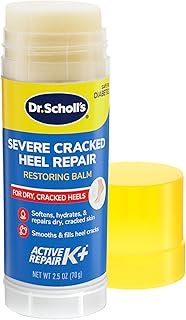
Dr. Scholl’s Severe Cracked Heel Repair Restoring Balm
Price: $7.29 | Rating: 4.4/5 (26,700 reviews)
I’ve been using this for months and it’s become my go-to recommendation when a friend asks what to grab quickly from the drugstore. Dr. Scholl’s has been around forever, and this restoring balm earns its reputation. With 25% urea — one of the gold-standard ingredients for cracked heel treatment for older adults — it actually breaks down and softens thickened skin rather than just sitting on top of it.
It absorbs reasonably well, doesn’t feel too greasy, and at $7.29, it’s genuinely one of the best values in foot care. With over 26,000 reviews and a 4.4-star rating, we’re clearly not alone in loving this one.
| Pros | Cons |
|---|---|
| High urea concentration (25%) | Smaller 2.5oz size |
| Very affordable | Scent isn’t for everyone |
| Clinically proven formula | May need consistent use for deep cracks |
| Widely available |
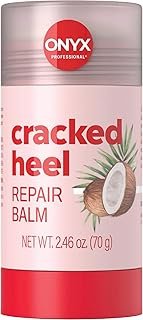
Onyx Professional Cracked Heel Repair Balm Stick
Price: $9.99 | Rating: 4.6/5 (3,400 reviews)
Now this one is clever. I spotted the Onyx Heel Repair Balm Stick while gift shopping for my sister last year, and I ended up buying one for myself too. It rolls on like a deodorant stick — no messy hands, no bending over awkwardly to rub cream in. For those of us with any stiffness or joint issues, that alone makes it worth considering.
The coconut scent is genuinely lovely, and the formula is thick enough to really coat those dry spots. It’s a best heel balm for women over 50 who want something fuss-free and travel-friendly. Pop it in your nightstand and roll it on before bed — simple as that.
| Pros | Cons |
|---|---|
| No-mess roll-on application | Smaller product volume |
| Lovely coconut scent | Fewer reviews than some competitors |
| Travel-friendly format | May need multiple passes for deep cracks |
| Great for gifting |
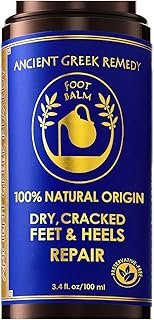
Organic Dry Cracked Heels Repair Foot Cream
Price: $16.99 | Rating: 4.5/5 (7,200 reviews)
If you prefer a more natural approach to your skincare, this one’s for you. I’ve been using this organic foot cream on and off for the past year, and it smells absolutely wonderful — lavender, almond, and coconut come together in a way that makes your evening routine feel genuinely luxurious.
Packed with jojoba oil, lavender, almond oil, olive oil, and vitamin E, this is a beautiful anti-aging foot cream for seniors who want to skip synthetic ingredients. It’s a bit pricier than the others, but the 3.4oz size and the quality of the ingredients make it feel like a treat. I’d call this the “treat yourself” option in the lineup.
| Pros | Cons |
|---|---|
| Certified organic ingredients | Higher price point |
| Gorgeous natural scent | No urea (less exfoliating) |
| Nourishing oils for mature skin | Takes longer for very deep cracks |
| 7,200+ positive reviews |
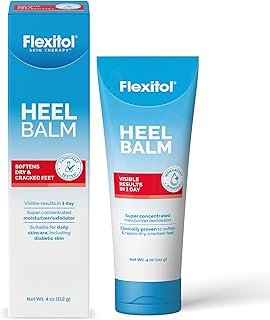
Flexitol Heel Balm
Price: $11.99 | Rating: 4.7/5 (15,800 reviews)
Honestly? Flexitol might be the most trusted name on this entire list. A 4.7-star rating from nearly 16,000 reviewers doesn’t happen by accident. This is a podiatrist-recommended formula that combines urea with intensive moisturizers to both exfoliate and hydrate — which is exactly what you need when you’re dealing with the kind of thick, stubborn dryness that comes with mature skin.
I think of Flexitol as the “workhorse” of the group. It’s not flashy, it doesn’t smell like a spa, but it works. If you’ve tried other creams and felt like they just sat on the surface without really penetrating, this thick foot cream for deep cracks is worth a try.
“I’ve recommended Flexitol to patients for years. The urea content does the heavy lifting — it dissolves dead skin cells while the moisturizers lock in hydration. It’s one of the most effective over-the-counter options for cracked heel treatment.” — Podiatrist recommendation shared in patient reviews
| Pros | Cons |
|---|---|
| Highest-rated on this list | Scent is medicinal |
| Urea-based, clinically effective | Can feel slightly sticky at first |
| Great 4oz tube size | Not as pleasant for a “spa” feel |
| Podiatrist recommended |
FREEORR Crack Feet Prevention Stick (2-Pack)
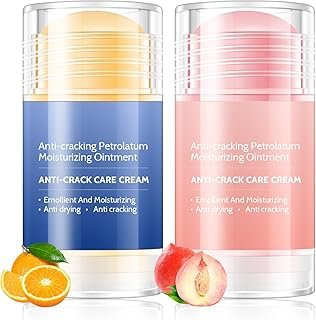
Price: $8.99 | Rating: 4.6/5 (45 reviews)
This one’s the newcomer of the group — only 45 reviews so far in 2026 — but I want to mention it because the concept is really smart. You get two sticks, and they work on feet, elbows, and knees. As someone who’s always got dry elbows alongside my cracked heels, having a multi-use product that rolls on cleanly is genuinely appealing.
I’ll be honest: because it’s newer with fewer reviews, I’d call this a “worth trying” rather than a proven staple. The price is right, and the reviews it does have are strong. If you like the roll-on format and want to cover more ground (literally!), this could be a fun addition to your routine.
| Pros | Cons |
|---|---|
| 2-pack great value | Very few reviews yet |
| Multi-use (feet, elbows, knees) | Newer product, less proven track record |
| Clean roll-on application | |
| Budget-friendly |
Key Ingredients to Look For in Anti-Aging Foot Creams
When you’re scanning labels for the best heel balm for women over 50, these are the ingredients worth paying attention to:
- Urea (10–25%) — This is the big one. Urea is both a humectant (draws moisture in) and a keratolytic (softens and removes dead skin). It’s the reason Dr. Scholl’s and Flexitol work so well on stubborn cracks.
- Shea butter — Rich and deeply nourishing, shea butter is a staple in any good moisturizing foot cream for mature skin.
- Jojoba, almond, and olive oils — These plant-based oils closely mimic our skin’s natural sebum and absorb beautifully without leaving a heavy residue.
- Vitamin E — An antioxidant that supports skin repair and helps protect against further damage.
- Lavender or tea tree oil — Both have gentle antimicrobial properties, which is especially helpful if cracks have become irritated.
If you’re managing diabetes or any circulatory condition, please do check with your doctor before starting a new foot care routine. That’s not me being overly cautious — it’s genuinely important.
How to Apply Foot Cream for Maximum Results
Here’s what I’ve found works best, and it’s become part of my evening wind-down ritual:
- Wash and soak your feet for 5–10 minutes in warm water. This softens the skin and opens it up to absorb moisture more deeply.
- Gently pat dry — don’t rub, which can irritate already-sensitive skin.
- Apply your foot cream generously, focusing on the heels and any areas of thickening. Don’t be shy with it.
- Put on a pair of cotton socks and leave them on overnight. This is the step most people skip, and it makes the biggest difference. The socks create a little moisture seal that lets the cream really do its job.
- Be consistent. Once a day, every day — at least until your heels have healed. Then a few times a week for maintenance.
I do this while I’m watching something on TV in the evenings. It takes about two minutes and feels like a small, lovely act of self-care.
Prevention Tips to Avoid Cracked Heels
Once your heels are looking and feeling better, here’s how we keep them that way:
- Stay hydrated — drinking enough water genuinely affects skin moisture from the inside out.
- Wear supportive shoes with cushioning, especially if you’re on your feet a lot.
- Avoid going barefoot on hard floors for extended periods — I know it’s comfortable, but it speeds up skin thickening.
- Use a pumice stone or foot file weekly on damp skin to gently remove buildup before it becomes a problem.
- Moisturize every single day — not just when things get bad. Prevention is so much easier than repair.
Frequently Asked Questions About Mature Foot Care
How long does it take for foot cream to heal cracked heels? It depends on the severity, but most people notice real improvement within 3–7 days of consistent use. Deep cracks may take 2–3 weeks to fully heal.
Can I use regular body lotion on my heels? You can, but it’s usually not enough. The skin on our heels is much thicker than the rest of our body, so it needs a dedicated, concentrated formula — especially one with urea.
Is it safe to use urea-based creams every day? Yes, for most people. Urea at 10–25% concentration is well-tolerated and actually recommended for daily use on feet.
What if my cracked heels are bleeding or very painful? Please see your doctor or a podiatrist. Deep, painful cracks can become infected and may need medical treatment before you start a home care routine.
Restore Your Heels: Choose Your Best Match Today
We’ve covered a lot of ground today (pun intended!), and the best foot cream for cracked heels over 50 really does come down to what matters most to you. Want the most proven, clinical option? Go with Flexitol. On a tight budget? Dr. Scholl’s is hard to beat. Prefer natural ingredients? The Organic Dry Cracked Heels Repair Cream is lovely. Love a no-fuss application? Either of the roll-on sticks might be your new favorite.
Not everything works the same way for everyone — our skin is as individual as we are. But I promise you this: committing to a simple, consistent foot care routine will make a real difference. Your feet carry you through every single day. They deserve a little love.
Which of these would you try first? I’d love to hear in the comments — or if you’ve already found a foot cream that’s changed the game for you, please share it with our community. That’s what Flourish & Find is all about.